

Our Blog
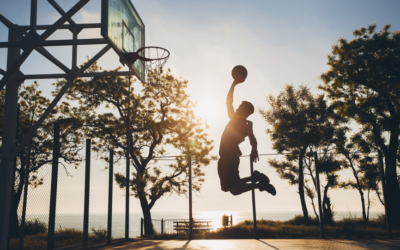
Asphalt Basketball Courts: Durability, Lifespan & What to Expect
Asphalt Basketball Court: Durability, Lifespan, and What to Expect By Paul Gold, Founder at Sport Surfaces · Last updated November 3, 2026 Asphalt basketball court: the short answer An asphalt basketball court is the most budget-friendly way to build a durable...

Professional Construction of Basketball Court: A 2027 Guide to Planning, Cost, and Installation
Planning the Foundation: Site Selection and Zoning for 2027 Projects Every successful basketball court project starts with careful site selection, zoning compliance, and drainage planning, ensuring longevity and performance. Before you weigh the cost to build a...
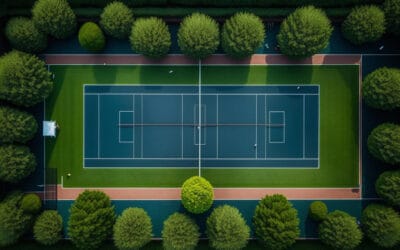
How Often Should a Tennis Court Be Inspected? A Florida Owner’s Guide
Key takeaways • Inspect the court yourself monthly, do a closer seasonal check about four times a year, and schedule a professional inspection once a year — plus a quick check after any major Florida storm. • Florida's sun, heat, humidity, storms, and coastal...
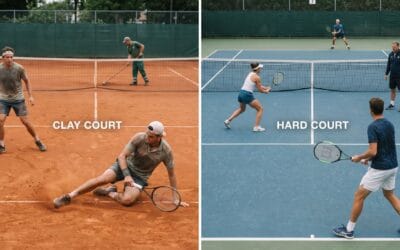
Clay vs. Hard Court: Why Your Facility Strategy Depends on More Than Just Player Preference
Takeaways Surface selection is a long-term infrastructure decision, not simply a matter of player preference. Hard courts and clay have different cost structures: hard courts typically cost less upfront but require periodic resurfacing, while clay requires ongoing...
Why Professional Pickleball Court Construction is the Only Way to Future-Proof Your Facility in 2026
Takeaways The decisions that determine a court's service life are made before any surfacing material is ordered. Build to regulation dimensions from the start. A court that misses spec by inches cannot host sanctioned play, and corrections after the slab cures are...
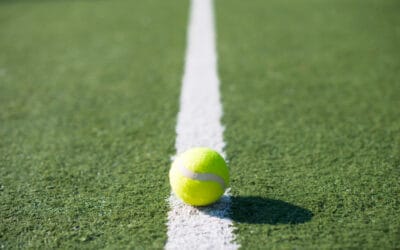
A Guide to Grass Tennis Court Construction: Timeline & Process
Takeaways: Grass courts are built into the ground, not on top of it. The playing surface is living turf, so construction starts below the soil with drainage and irrigation before any grass goes down. Drainage and turf choice make or break the court, especially in...

Basketball Court Lines & Markings Explained
Key Takeaways A basketball court has about ten distinct lines and markings, each with its own name and purpose. The boundary lines are the baseline and sidelines; cross them with the ball and it’s out of bounds. The key (or “paint”) is the painted lane under each hoop...
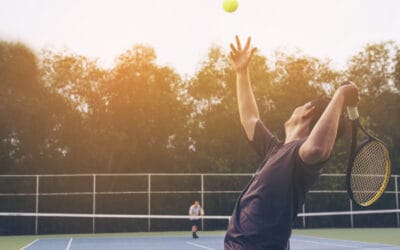
Pickleball vs Tennis Court: Size & Layout Compared
Key Takeaways A pickleball court is 44 ft × 20 ft; a tennis court’s playing area is 78 ft × 27–36 ft. Up to four pickleball courts fit inside one tennis court. Pickleball nets are lower — 34 in at center vs the tennis net’s 36 in. A pickleball court is the same size...

The Evolution of the Outdoor Basketball Court Surface
The backyard basketball court has quietly transformed from a simple concrete slab into a performance surface . The material you choose now has significant consequences for your joints, your game, and your long-term budget. For decades, homeowners defaulted to asphalt...
